Professional Estate Planning Lawyer: Protect Your Legacy and Safeguard Your Loved Ones
Estate planning represents a crucial undertaking that guarantees your intentions are respected and your loved ones are protected. A dependable estate planning lawyer functions as an crucial component in traversing this complicated landscape. They aid communicate your intentions through important legal documents, decreasing possible conflicts. Understanding the subtleties of estate planning can feel intimidating. Yet, recognizing the significance of a skilled lawyer can serve as the deciding factor in securing your legacy. What should you consider next?
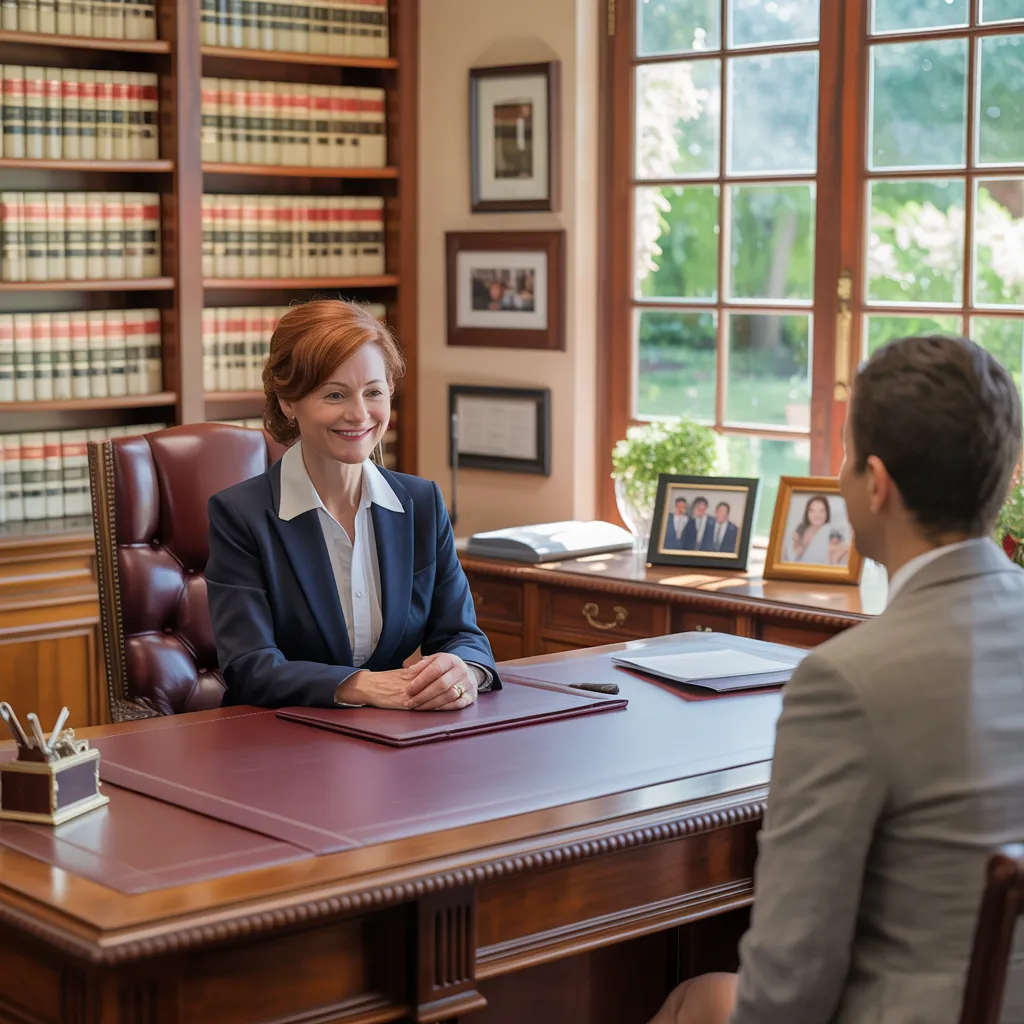
What Is Estate Planning and Why Is It Important?
Estate planning includes the process of arranging an individual's assets and wishes to ensure a seamless transition after their death. This essential process assures that one's estate is allocated according to personal desires, reducing potential disputes among heirs. By outlining specific instructions, individuals can appoint beneficiaries, establish trusts, and appoint guardians for dependents, thereby offering clarity and security for loved ones.
The value of estate planning should not be underestimated. It not only enables the smooth transfer of estate but also reduces taxes and legal fees, ultimately safeguarding assets for subsequent generations. Additionally, it permits individuals to establish critical healthcare decisions in advance, protecting their wellbeing in case of disability. Overall, proper succession planning functions as a protective mechanism, ensuring that an person's legacy is honored while alleviating the financial and emotional strain on family members during a challenging time.
The Manner Estate Planning Lawyers Precisely Elevate Your Plan
Working through the complications of estate planning can be intimidating, and this is where estate planning lawyers play a pivotal role. They bring specialized knowledge that helps parties navigate legal intricacies, ensuring that their wishes are accurately reflected in their plans. By evaluating unique circumstances, these professionals provide bespoke counsel, identifying foreseeable risks that clients may overlook.
Estate planning attorneys also assist in the creation comprehensive plans for wealth allocation, minimizing tax liabilities, and protecting bequests for beneficiaries. Their expertise extends to ensuring compliance with state and federal laws, which can vary considerably. In addition, they promote transparent dialogue among family members, helping to prevent disputes and misunderstandings in the future. Ultimately, the involvement of an estate planning lawyer enhances clarity, security, and peace of mind, allowing clients to concentrate on what truly matters—protecting their legacy and loved ones.
Important Documents for Your Estate Plan
An effective property strategy depends on multiple important documents that outline an person's wishes regarding their assets and care. Central to this structure are the trust and will, which serve different but related purposes in ensuring proper asset distribution and management. Recognizing the significance of these documents is essential for anyone seeking to protect their inheritance and support their family members.
Important Asset Distribution Materials
Steering through the challenges of estate planning requires a solid understanding of essential documents that form the backbone of any thorough plan. Essential among these are the will, which outlines the distribution of assets, and the durable power of attorney, which designates an agent to make financial decisions if one becomes incapacitated. A healthcare proxy is equally important, allowing someone to make medical decisions on behalf of the individual. Additionally, a living will provides instructions regarding end-of-life care. Trusts, whether revocable or irrevocable, serve to manage and protect assets during and after life. Each document plays a significant role in ensuring that wishes are honored and loved ones are safeguarded, forming a detailed estate plan.
The Value Of Will And Trust
While many individuals may overlook the significance of a well-crafted will and trust, these instruments are vital for sound estate planning. A will outlines how assets should be distributed upon one's passing, confirming that individual desires are upheld and minimizing potential disagreements among heirs. Conversely, a trust can provide greater control over asset management and distribution, often circumventing the extended probate process. Trusts can also protect assets from creditors and decrease estate taxes, establishing them a prudent choice for many families. Together, wills and trusts create an broad framework that safeguards an individual's legacy, secures financial stability for family members, and simplifies the shift of assets. As a result, consulting with an estate planning lawyer is vital for appropriate document preparation.
Top 5 False Beliefs About Estate Planning Exposed
What misunderstandings surround estate planning? Many people think it is only for the wealthy, but estate planning is crucial for anyone with assets or dependents. Another myth is that estate planning is a single task; in fact, it demands frequent updates to account for life changes. Some individuals believe that drafting a will alone suffices, while a thorough plan often includes trusts and healthcare directives. A typical belief is that estate planning is too complex and labor-intensive, but with the right guidance, it can be simple and effective. Finally, many assume that estate planning is merely about distributing assets; however, it also encompasses making critical decisions about healthcare and guardianship. Dispelling these myths can enable individuals to take proactive steps in securing their legacies and safeguarding their loved ones.
Organizing Your Estate to Cut Taxes
Effective estate planning requires methods to curtail taxes, confirming that more assets are retained for beneficiaries. Tax-optimized trust structures, along with gift tax strategies and charitable giving benefits, play a significant role in this process. Understanding these elements can greatly enhance the overall potency of an estate plan.
Efficient Tax Trust Setups
Tax-efficient trust structures function as critical tools in succession planning, allowing individuals to reduce their tax obligations while preserving wealth for future generations. Multiple kinds of trust arrangements, such as irrevocable life insurance trusts and charitable remainder trusts, offer unique advantages. Irrevocable trusts can eliminate assets from the taxable estate, thereby reducing estate taxes. Charitable remainder trusts not only practical guide deliver income to beneficiaries but also enable charitable deductions, further decreasing tax burdens. Additionally, utilizing generation-skipping trusts can successfully convey wealth across multiple generations while minimizing gift and estate taxes. By carefully selecting and creating these trust structures, individuals can ensure their legacies are safeguarded and their wealth objectives are achieved with negligible tax implications.
Gift Tax Optimization
In estate planning, gift tax strategies have a critical role in minimizing total tax liabilities. By taking advantage of annual gift tax exclusions, individuals can transfer a predetermined amount to recipients without incurring taxes, thus effectively reducing their taxable estate. Likewise, lifetime gift tax exemptions permit larger transfers, which can be carefully used to assist heirs while minimizing tax implications. Understanding the intricacies of these exemptions is crucial; for instance, gifts made directly for tuition or medical expenses typically are excluded from taxable amounts. Moreover, gifting appreciated assets can help avoid capital gains taxes, further improving the financial advantages. Applying these strategies requires thorough planning, ensuring compliance with IRS regulations while maximizing benefits for loved ones.
Philanthropic Contributing Perks
Charitable giving can noticeably boost an estate planning strategy by providing both philanthropic and tax gains. By assigning assets to qualified charities, individuals can lower their taxable estate, leading to reduced estate taxes. This tactic also allows the possibility of income tax deductions, thus overall tax liabilities. Moreover, charitable donations can establish a lasting legacy, reflecting personal values and supporting causes that matter to the donor. Setting up a charitable remainder trust can offer income during one's lifetime, with the remainder benefitting the designated charity after death. Ultimately, weaving charitable giving into estate planning not only helps tax reduction but also fosters a sense of purpose and fulfillment, ensuring that one’s legacy positively influences future generations.
Estate Management: Healthcare Directives and Powers of Attorney
How can people ensure their healthcare preferences are respected when they are unable to express themselves? The answer involves establishing healthcare directives and powers of attorney. Healthcare directives, often referred to as living wills, enable individuals to outline their medical treatment preferences in advance. These documents guarantee that medical professionals adhere to the individual's wishes regarding life support and medical interventions.
In conjunction with healthcare directives, a durable power of attorney for healthcare designates a trusted individual to determine choices on behalf of the patient when they are unable to do so. This appointed agent can champion the patient's healthcare preferences, guaranteeing their values and desires are respected. By proactively creating these legal documents, individuals not only safeguard their healthcare choices but also reduce potential burdens on family members, offering peace of mind during challenging times. Ultimately, these tools are vital elements of thorough estate planning.
Selecting the Best Estate Planning Legal Advisor: Important Elements to Determine
Finding the right estate planning attorney is an important step in ensuring that medical directives and legal authorizations are effectively created. People should prioritize locating an lawyer with specialized experience in estate planning, as this legal field requires specific knowledge. Suggestions from trusted sources can be invaluable, providing insights into an attorney's reputation and competence.
Evaluating the lawyer's style of communication and willingness to hear to what clients require is vital. Clarity concerning costs and services is also critical; understanding costs upfront can eliminate subsequent confusion. Moreover, verifying credentials and industry associations can deliver peace of mind of a lawyer's proficiency.
In conclusion, a excellent estate planning lawyer should display understanding and a genuine pledge to protecting clients' legacies and family members. Taking the time to find the correct attorney can ultimately lead to a thoughtfully organized inheritance strategy that suits individual goals and wishes.
Often Inquired Topics
How Often Should I Revise My Estate Plan?
An estate plan should be reviewed every 3-5 years or after major life events, such as getting married, divorce, or the arrival of a newborn, ensuring it represents present desires and circumstances.
Should I tackle Estate Planning without a Lawyer?
Yes, one can tackle estate planning without a lawyer, but it may cause complications. Self-help methods require comprehensive grasp of legal statutes and required forms to make certain objectives are fulfilled and foreseeable disagreements are reduced.
What Happens if I Expire Without a Will
If an individual dies without a testament, their assets are allocated according to state intestacy laws. This often leads to unintended beneficiaries, possible family disputes, and a prolonged probate process that might have been prevented.
Digital Property in Estate Planning: What You Should Know
Digital assets are definitely part of estate preparation. This covers cryptocurrencies, social media accounts, and online storage. Properly handling these assets ensures they are administered and transferred according to the person's wishes after their passing.
How expensive is estate planning normally?
Estate planning costs usually fall between $500 to $3,000, subject to complexity and location. Considerations like categories of assets, household size, and unique legal requirements impact the final pricing for extensive services.